Silicone Coating Over Ponding Water
Water stands in low spots because an outlet is blocked or the deck has settled.
We clear outlets, assess dents and depressions, and only then plan silicone for the remaining exposure.
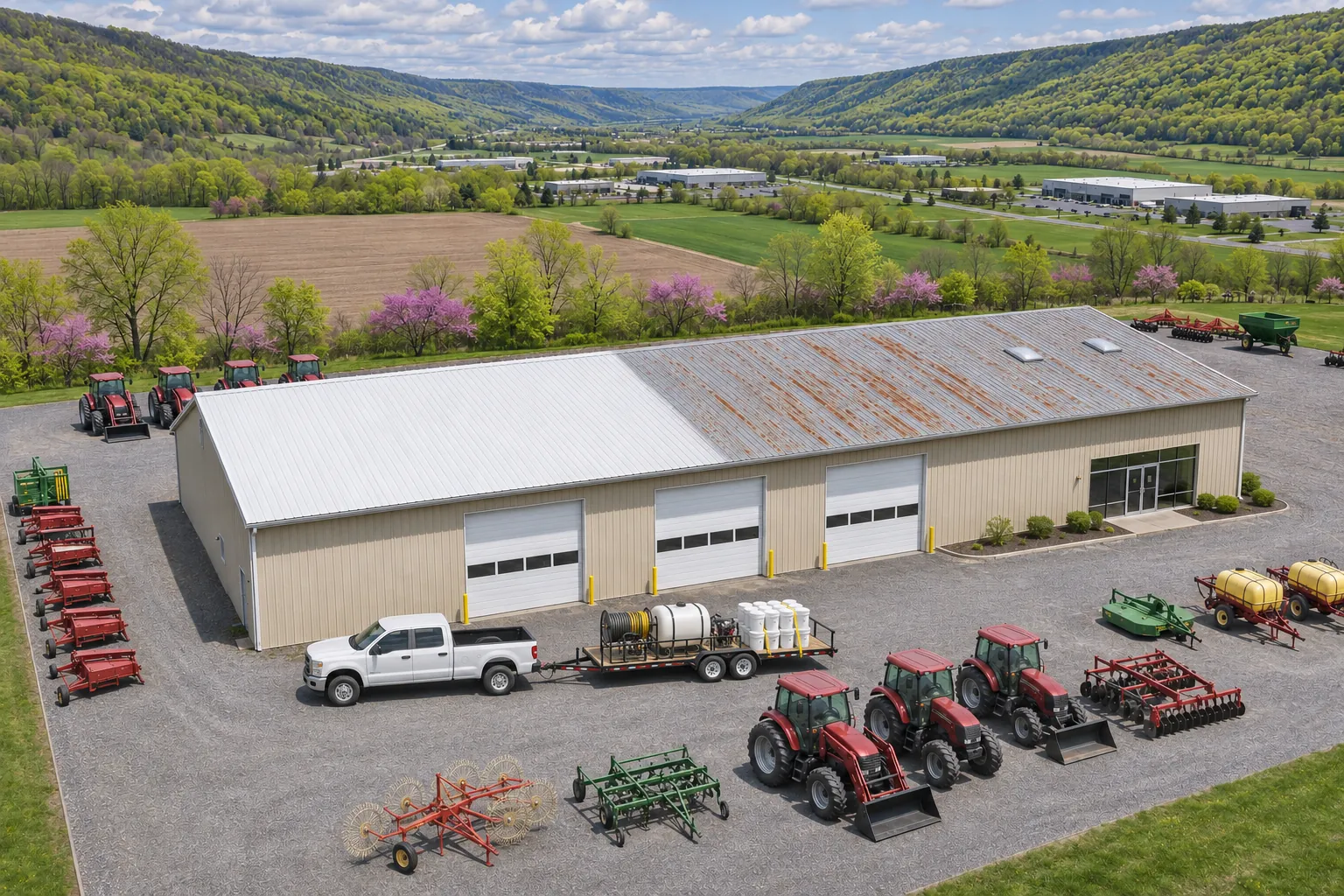
As a State College silicone roof coating contractor, we clear drainage, test adhesion, and apply silicone to low-slope commercial roofs that hold shallow water.
State College silicone roof coating works on low-slope roofs with a firm, dry base. Find your roof in the rows below.
| What You See | Coat Now | Repair, Then Coat | Choose Another Route |
|---|---|---|---|
| Shallow pools that dry within a day or two | Usually Fits | Sometimes | Rarely |
| Ponding over a dented or sagging area | Rarely | Usually Fits | Sometimes |
| Blocked outlets or a clogged gutter line | Rarely | Usually Fits | Rarely |
| Old acrylic coating that still bonds | Sometimes | Usually Fits | Rarely |
| Soft, wet insulation under the membrane | Rarely | Sometimes | Usually Fits |
Silicone recoats stay with silicone later, which is part of the choice we explain at the inspection.
Ponding is the reason most owners ask about silicone. Each row traces a symptom to the work that comes before coating.
Water stands in low spots because an outlet is blocked or the deck has settled.
We clear outlets, assess dents and depressions, and only then plan silicone for the remaining exposure.
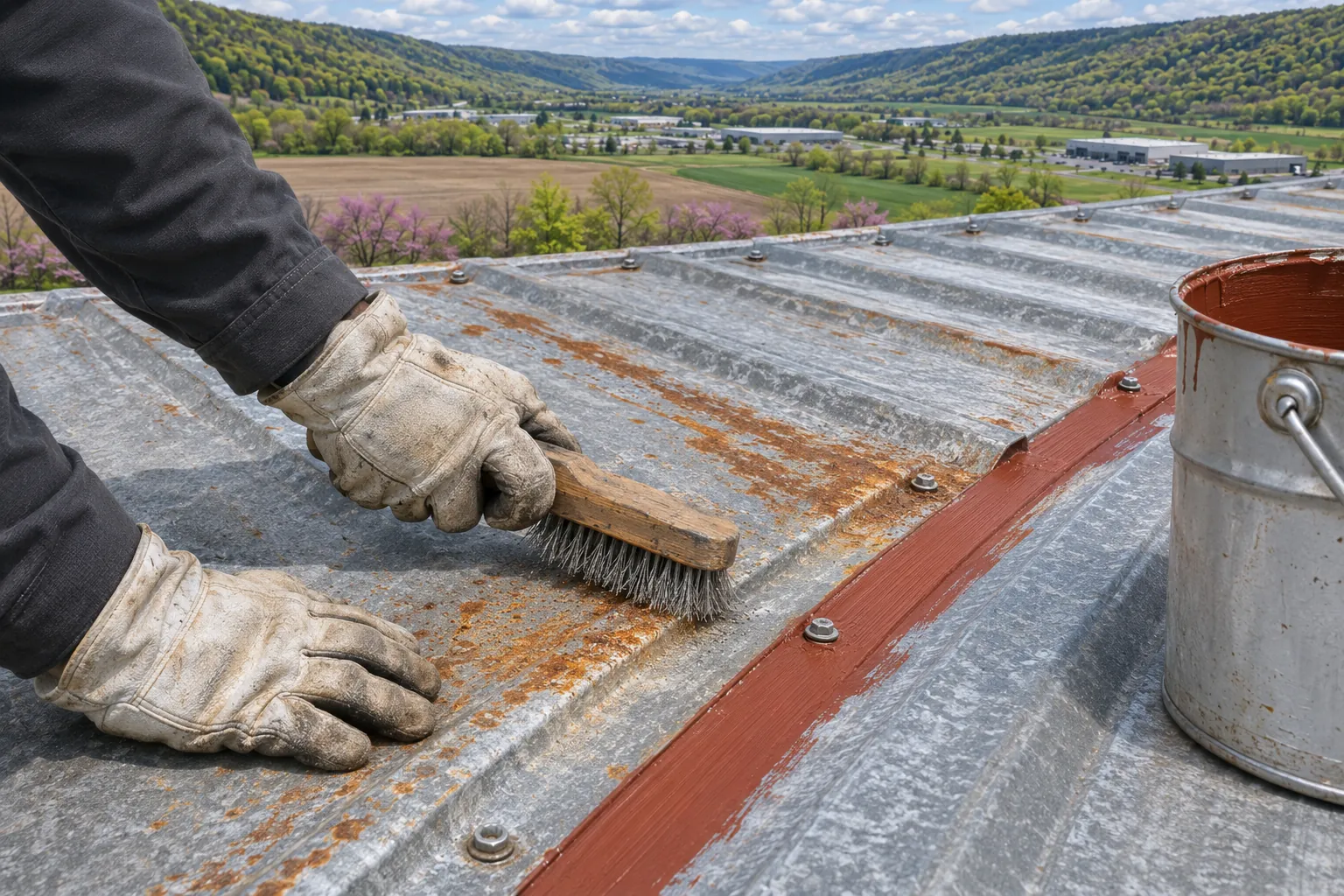
Insulation under the roof has taken on water through an old opening.
Core samples locate wet areas, which are cut out and replaced before coating.
Service crews walk the same routes to equipment week after week.
Walk pads or protected routes are planned so repairs after equipment work stay compatible with silicone.
Overnight frost leaves moisture on shaded parts of the roof well into the day.
Application waits until the surface is dry and the temperature holds through the cure period.
An earlier coating has lost adhesion where water sits longest.
Loose coating is removed and an adhesion test picks the primer for the new silicone.
Silicone is one of several low-slope choices. These cards show where it fits and where another system works better.
Sprayed or rolled silicone handles low spots that stay wet, once the drainage defects underneath are corrected.
Sections that drain within hours can take acrylic, which recoats easily with more acrylic later.
Spray foam adds insulation over the deck, and a silicone topcoat protects the foam surface.
Fabric and extra material at drains and scuppers carry the coating into the places water moves fastest.
Silicone earns its place on roofs that see standing water, as long as the drainage defects are fixed first.
Many coatings soften or lose grip in spots that stay wet for days.
Silicone tolerates that exposure when the selected system is rated for it and the roof under it is firm.
Sunlight chalks and cracks older roof surfaces year after year.
A silicone layer resists that weathering and reflects more sunlight off the roof.
Laps on older single-ply and coated roofs pull apart with temperature swings.
Reinforced seams under silicone form one surface across the field of the roof.
Replacing a low-slope roof exposes the space below and halts operations.
Silicone goes over the prepared surface, so stores and offices keep running underneath.

Standing water points to a drainage problem worth finding first. Get a ballpark range for coating the roof.
Get A Free EstimateFour decisions set up a silicone job, starting on the roof itself.
We map the shallow pools, check outlets and gutters, look for dented or depressed areas, and test the old surface.
Blocked outlets are cleared and damaged areas repaired, so the coating covers a roof that sheds water as it should.
Roof dryness and temperature have to hold through application and cure, including shaded areas that stay cold.
The system requirements set primer, thickness, and extra passes at drains, laps, and curbs.
A roof with ponding often has other sections that need a different system.

Metal sections beside the flat roof get screws, laps, and rust handled before their own coating.
Commercial Metal Roof Coating in State College
Sloped areas that drain quickly can take acrylic, kept apart from the silicone with a planned joint.
Acrylic Roof Coating in State College
If the flat roof also needs insulation, foam goes down first and silicone protects it.
Spray Foam Roofing in State College
Shingle faces around a flat roof get a separate check for coating compatibility.
Shingle Roof Coating in State CollegeCompare them against the roof drainage, finish, and service traffic instead of a general ranking. Silicone handles wet spots well; acrylic recoats easily. Either one needs preparation and protected access routes, and repairs after equipment work have to stay compatible with the system chosen.
It works in some water exposure when the chosen system supports it and the roof below is firm. We investigate the pools first, including blocked outlets and depressed areas, because the coating leaves drainage defects and structural concerns in place.
Frost means checking the roof surface and the product limits before any work. The surface must be dry and the temperature must hold through application and cure; a mild afternoon falls short if shaded metal stays cold or moisture returns.
In most cases, no. Silicone recoats are done with silicone, so the first choice also sets the recoat path for the roof.
Core samples and moisture readings across the roof show where insulation holds water. Wet sections are cut out and replaced before silicone goes over them.
Plan on several working days for a mid-size commercial roof, set mostly by repairs and weather. Drain work, wet insulation replacement, and primer cure come first; the silicone itself goes on quickly once the surface is clean, dry, and above the product temperature, with shaded corners checked last.
Get a ballpark range for your roof, or call to have the ponding and drains checked before coating.