
Symptom
Recoating a Faded Metal Roof
Likely Cause
Sun has bleached the surface, but the layer may still hold firmly.
What We Do
Adhesion tests decide whether the faded coating can stay under a recoat.
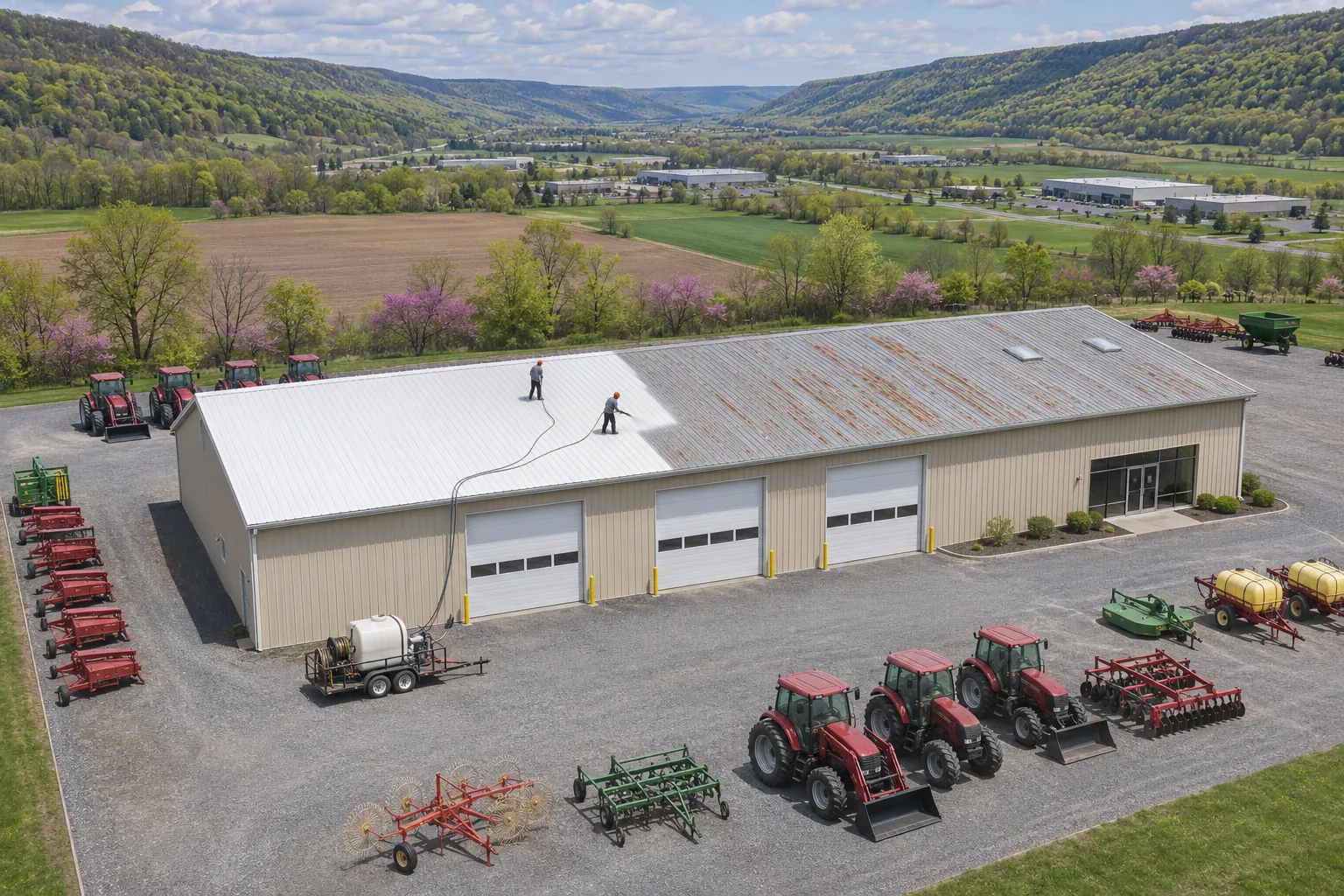
As a Clearfield metal roof coating contractor, we test old coatings for adhesion, repair seams and metal, and recoat commercial roofs with a compatible system.
Clearfield metal roof coating work often means recoating a roof that was coated years ago. Faded color alone tells little; what matters is whether the old layer still bonds and still protects.
We run adhesion tests, check seams and the metal underneath, and confirm the new system is compatible with the old one before quoting a recoat.
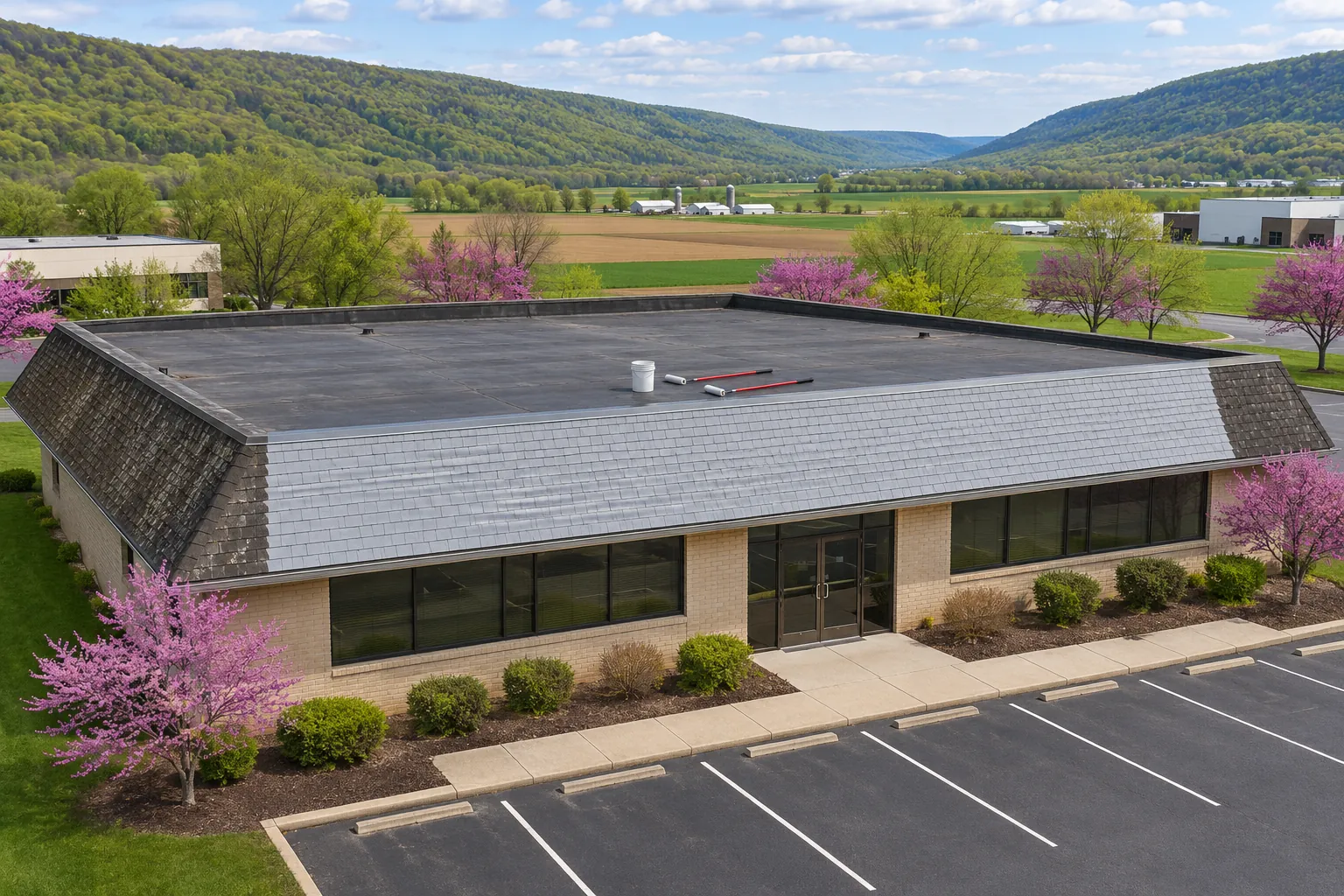
An older coated roof shows its condition in a few clear signs. These rows link each one to the work before recoating.
Sun has bleached the surface, but the layer may still hold firmly.
Adhesion tests decide whether the faded coating can stay under a recoat.
The old layer has lost its bond and water has crept under it.
Loose coating is removed to a firm edge before any recoat.
The coating over laps has split with movement through winters.
Seams are cleaned, reinforced, and detailed again before the field coat.
Worn areas have exposed the steel, which has started to rust.
Rust is cleaned and primed before the new coating goes on.
Runoff paths collect grime that blocks bonding.
The roof is washed and rinsed so the recoat bonds across those paths.
Loose screws have backed out and broken the coating film around them.
Screws are reset or upsized, sealed, and covered before the recoat.
Recoating a firm older coating renews protection without starting over.
Years of sun wear the coating down until steel shows through.
A compatible recoat restores thickness over the layer that still holds.
Laps move the most and lose their coating before the field does.
Reinforced seams under the recoat renew the joints along with the panels.
Replacing a roof that only needs new coating spends money on panels that still work.
Recoating keeps the panels and the firm old layer and adds new protection on top.
Dirty, faded coating absorbs more summer sun than it did new.
A fresh light topcoat brings the reflective surface back.
Grime in runoff paths holds moisture against the old coating.
Washed paths and a fresh coat at full thickness protect the areas water crosses most.
The old coating type sets the choices for a Clearfield recoat. These options follow it.
A washed acrylic layer that still grips firmly takes a new acrylic coat at the thickness the product sets.
A silicone roof keeps silicone recoats, applied after cleaning and adhesion tests.
Small test patches show which primer and system bond to an unknown older coating.
Areas that fail adhesion are removed down to firm material before recoating.
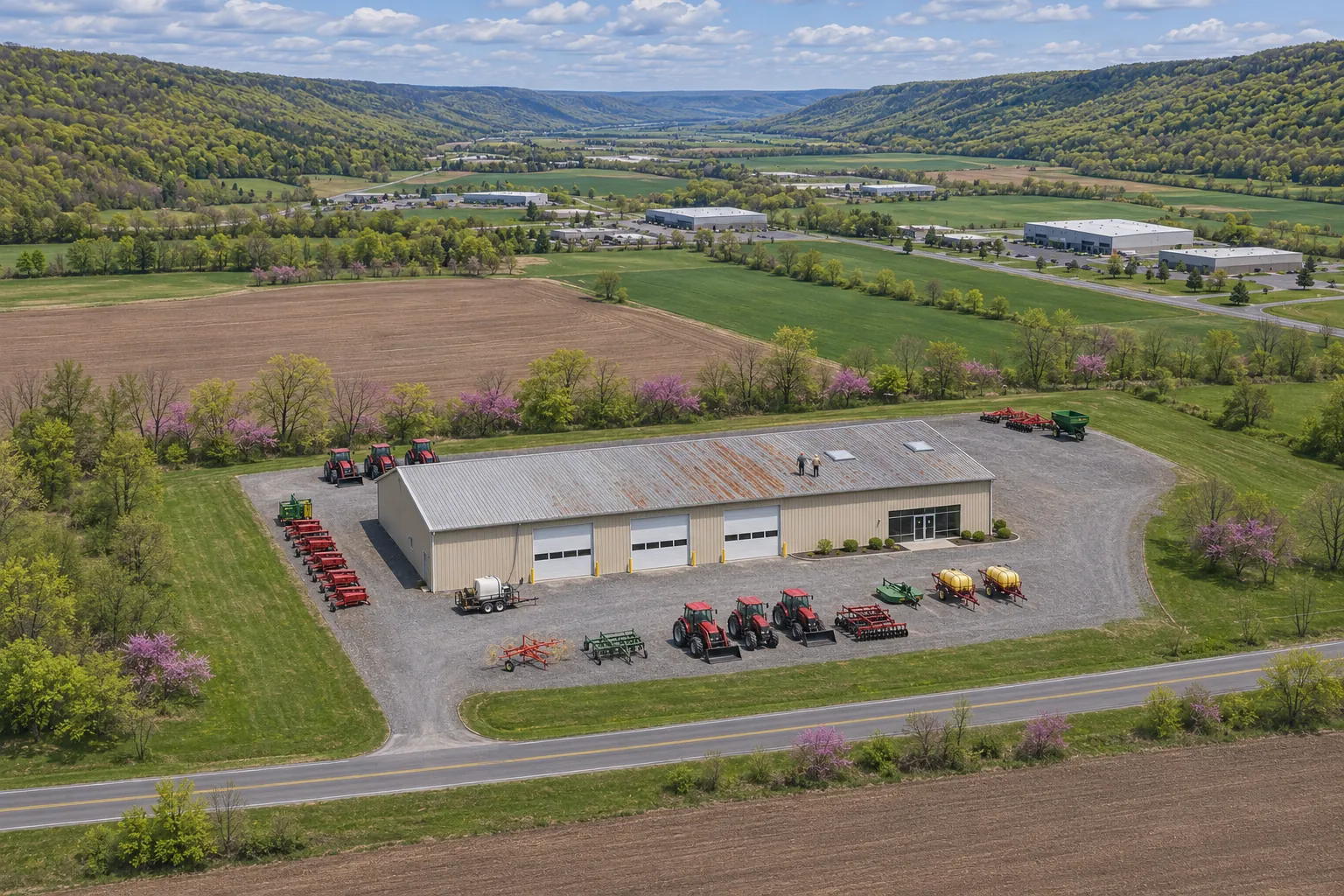
A faded roof may only need a recoat. Get a ballpark range, then we test what the old layer can carry.
Get A Free EstimateFour decisions take an older coated roof to a recoat, starting with tests on the existing layer.
We check the old coating, seams, and the metal under thin areas, and look for places where water got underneath.
Adhesion tests across the roof separate firm coating from coating that has let go.
The type of old coating sets the primer and recoat system that will bond to it.
Seams and details are redone first, then the field coat builds to the product thickness.
Roof outside Clearfield? Call us or send us a message. We coat and recoat commercial roofs in these towns and State College too.
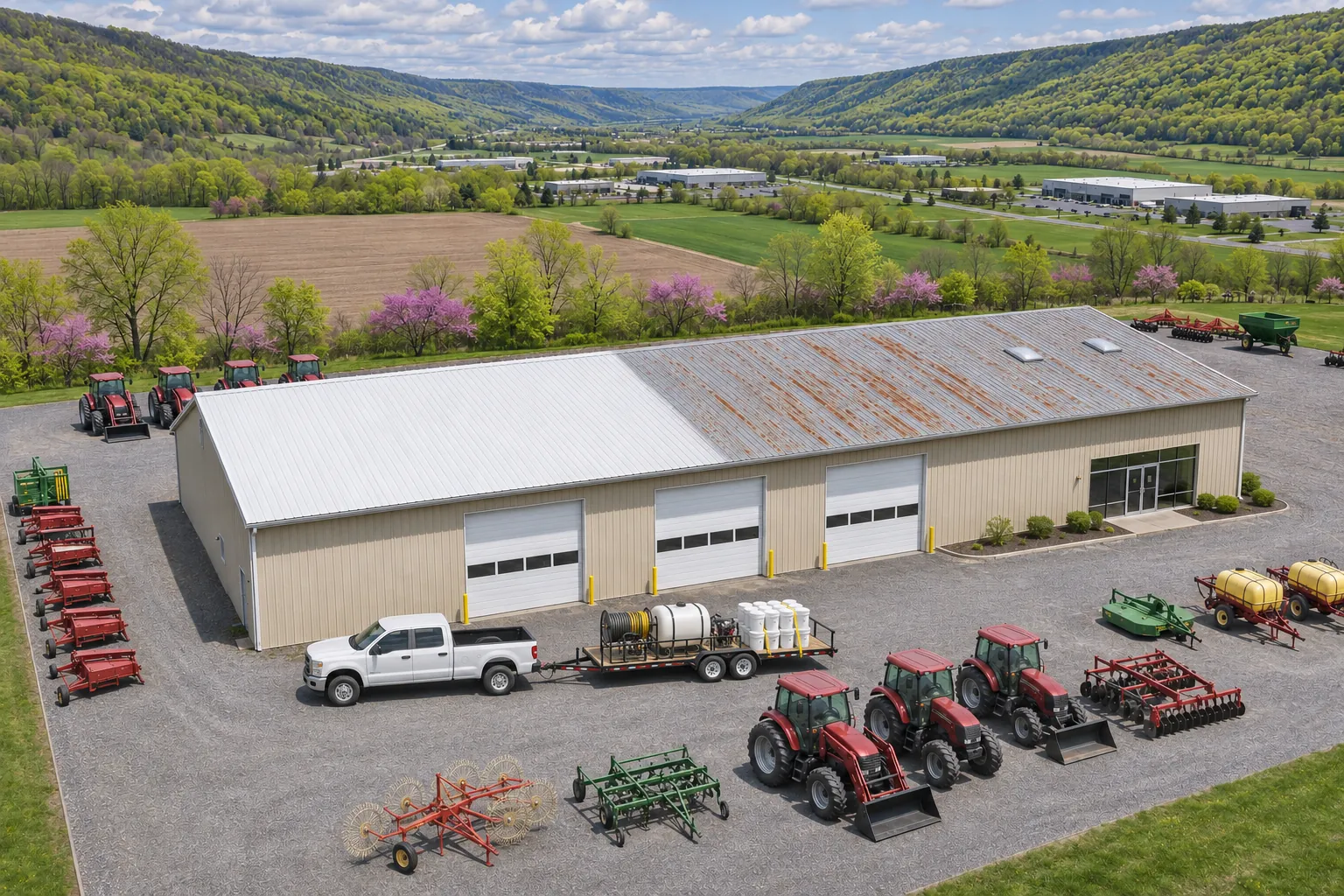
Retail roofs scoped around each tenant equipment zone.
Farm roof panels checked from below for condensation.
Office roofs worked around instrument mounts and cables.
Tenant drainage traced across every section first.
Yes, when the new system is compatible and its preparation requirements can be met. We separate cosmetic fading from lost protection or adhesion, and we also check seams and the metal beneath, since appearance alone says little about whether a recoat is needed or will hold.
Our planning range is about $2.50 to $4.00 per square foot for coating and $5 to $8 for replacement. A recoat over a firm layer often needs less prep, while removal of failed areas and seam rework add to it.
Coverage takes in Clearfield, the towns listed below, and State College. Call with the address for anything in between.
We run pull tests and small test patches in several spots. Results show where the old layer holds and which primer the recoat needs.
Look at it each spring after freeze-thaw and after major storms. Seams, edges, and penetrations show wear first.
A recoat can change the color, within the system that bonds to the old layer. A white or light gray finish keeps the roof cooler, while darker colors are available in some systems; the color choice never changes the primer or prep the old coating needs.
That is common on older roofs. Failed areas are removed to firm material, primed, and brought back to thickness, then the whole roof receives the recoat, so the finished surface is continuous over old and new areas alike.
Thickness, exposure, and upkeep matter more than whether it is a first coat or a recoat. A recoat applied at the full thickness the product sets, over a firm layer, protects the roof as well as the original did.
Get a ballpark range for the recoat, or call to have the old coating tested first.